
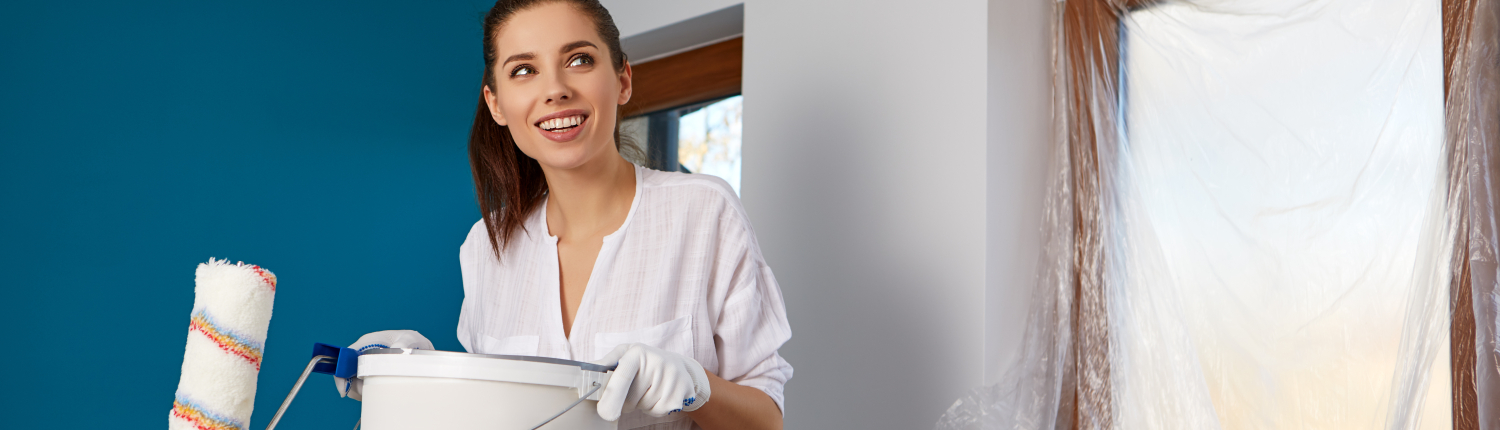
Knowing when to paint the interior of your house is about more than aesthetics. Interior painting improves the look and feel of your home, protects wall surfaces, and can positively influence mood and wellbeing. By understanding paint condition, seasonal timing, lifestyle factors, and budget considerations, homeowners can plan a successful and long-lasting interior painting project.
When to Paint the Interior of Your House: A Complete Homeowner’s Guide
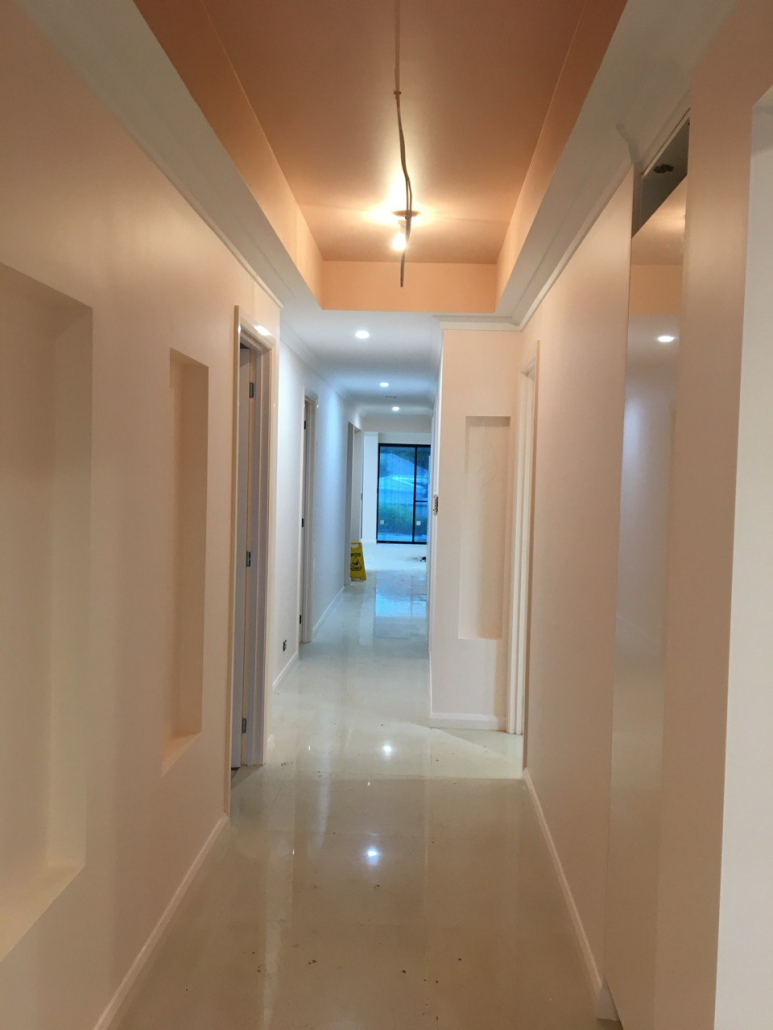
Assess the Condition of Existing Paint
The condition of your current paintwork is the clearest sign that it may be time to repaint. Interior paint can fade, peel, crack, or stain due to moisture, sunlight, and everyday wear and tear. High-traffic areas such as hallways, kitchens, and children’s rooms often show damage sooner than bedrooms or living areas.
As a general guideline, most homes benefit from repainting interior walls every five to seven years, while busy areas may require more frequent attention. If you notice peeling paint, discolouration, or persistent marks that won’t clean off, it’s a strong indication that repainting is due.
Environmental and Seasonal Factors
Choosing the right season for interior painting plays a key role in achieving a smooth, professional finish. Mild weather allows for better ventilation and faster drying times. Late spring and early autumn are ideal, as windows can be opened without exposure to extreme heat or cold.
Humidity is another important factor. Excess moisture in the air can slow drying and affect paint adhesion, while overly dry conditions may cause paint to absorb too quickly. Painting during periods of moderate humidity helps ensure durability and an even finish.
Personal Lifestyle and Household Planning
Your lifestyle and household schedule should also influence when you repaint. Families with children or pets often plan painting projects during school holidays or while away on vacation to minimise disruption. Avoid painting during busy times such as holidays or family events.
If you are preparing your home for sale, interior painting is best completed before listing to improve visual appeal and attract buyers. A freshly painted interior creates a clean, well-maintained impression that can increase buyer interest and perceived value.
Interior Painting Trends and Colour Psychology
Home décor trends evolve over time, making repainting an opportunity to modernise your space. Popular colour palettes can refresh your home and increase its market appeal. Beyond trends, colour psychology plays a significant role in interior painting choices.
Soft blues and greens promote relaxation and are ideal for bedrooms, while warmer tones such as yellows and earthy neutrals can energise kitchens and living areas. Repainting allows homeowners to enhance both the function and atmosphere of each room.
Budget and Cost Considerations
Budget planning often determines the timing of an interior painting project. Painting during off-peak seasons may offer better availability and competitive pricing from professional painters. Setting aside a dedicated painting budget also helps homeowners plan repainting cycles and prioritise key areas of the home.
Conclusion
Deciding when to paint the interior of your house involves evaluating paint condition, choosing the right season, considering lifestyle needs, following design trends, and managing your budget. With thoughtful planning, interior painting can dramatically enhance your home’s appearance, comfort, and value. Regular maintenance and timely updates ensure your living space remains fresh, inviting, and enjoyable for years to come.