
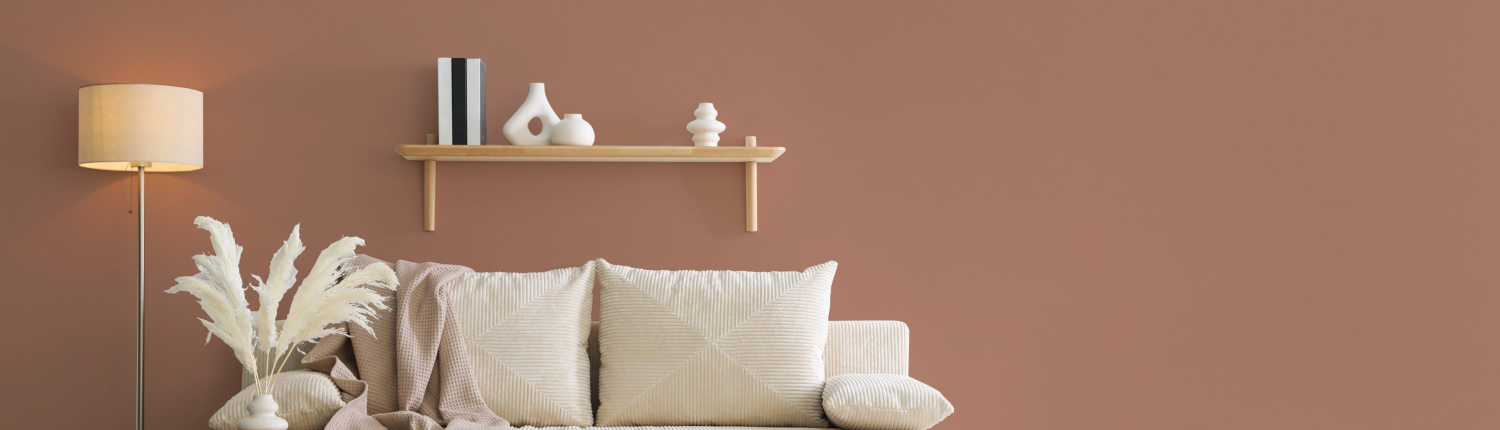
Making a small room look bigger is easier than most homeowners think. With the right painting techniques and strategic colour choices, you can create the illusion of a larger, brighter, and more open space. This guide covers the best painting ideas to make a small room appear bigger, including colour selection, vertical techniques, optical illusions, patterns, finishes, and creative touches.
How to Make a Small Room Look Bigger Through Painting
1. Choose the Right Colours
Choosing the right paint colour is one of the most effective ways to make a small room feel bigger. Light colours reflect natural and artificial light, creating a sense of openness. Popular options include soft whites, light greys, pale blues, and pastel shades.
Using a monochromatic colour palette is also effective. By painting the walls and trim in different shades of the same colour, you create visual flow and reduce harsh contrasts. For example, pairing a soft blue wall with slightly darker blue trims adds depth without breaking up the space.
2. Use Vertical Painting Techniques
Vertical design techniques can make a small room look taller. Painting the ceiling a lighter shade than the walls—or even painting the ceiling the same colour—removes visual boundaries and makes the room feel higher.
Another effective method is painting vertical stripes. Subtle stripes in similar tones elongate the walls and add height without overwhelming the room.
3. Create Optical Illusions With Paint
Painting can be used to create smart optical illusions that expand a room visually. One effective strategy is painting the lower half of the walls darker and keeping the upper half light to draw the eye upward.
Painting diagonal or angled shapes can also guide the eye across the space, making it feel wider. For depth, paint the far wall a slightly darker shade; this makes the wall appear farther away, increasing the sense of space.
4. Choose the Right Finishes and Textures
The paint finish you choose affects how large the room feels. Glossy and satin finishes reflect more light and can make a room seem brighter and more open. However, too much shine can cause glare, so balance is important.
Textured paint can add depth and interest without cluttering the space. A subtle texture prevents flatness and makes the room feel more dynamic, enhancing the illusion of spaciousness.
5. Use Accent Walls and Colour Blocking
A strategically placed accent wall can make a small room feel larger and more inviting. Light, bright accent colours work best when placed on the wall directly opposite the entrance, as they draw the eye deeper into the room.
Colour blocking is another creative approach. Use lighter colours on the upper sections of the wall and slightly darker tones below. This technique grounds the room while making the upper space feel more open and airy.
6. Add Creative and Personal Touches
Small rooms benefit from subtle, personalised touches. Light-coloured stencil patterns, wall decals, or minimalist designs can add interest without overwhelming the space. These elements keep the room lively while maintaining a sense of openness.
Conclusion
Small rooms present unique design challenges, but the right painting techniques can dramatically improve how spacious they feel. By choosing light colours, using vertical strategies, incorporating optical illusions, selecting appropriate finishes, and adding creative accents, you can transform any small room into a bright, open, and stylish space. With thoughtful planning, painting becomes a powerful tool for making your home feel bigger and more comfortable.