
Painting a house—whether for aesthetic improvement or long-term protection—requires careful planning, proper preparation, and professional execution. A high-quality paint job not only increases your home’s curb appeal but also protects the exterior from harsh weather, pests, and general wear. Although the process may appear simple, following each step correctly is essential for achieving a durable, professional finish. Below are the key steps involved in painting a house.
The Essential Steps in Painting a House
Step 1: Planning and Preparation
Before picking up a brush, proper planning is crucial. Start by assessing the current condition of the walls, identifying any repairs required, and choosing the right type of paint and colour scheme. Homeowners should consider whether they prefer satin, eggshell, matte, or gloss finishes, depending on the style and the location of the surface.
Once the paint type is selected, calculate the amount needed—usually one gallon covers approximately 350–400 sq ft, though this varies depending on the surface texture and the number of coats. During this stage, gather all essential tools such as paint, brushes, rollers, painter’s tape, drop cloths, and ladders.
Step 2: Surface Preparation
Proper surface preparation is one of the most important factors in achieving a long-lasting, professional paint finish. This stage includes:
1. Cleaning the Surface
Remove dust, dirt, and mildew by power washing or scrubbing the walls. Clean surfaces allow the paint to adhere correctly and prevent future peeling.
2. Repairing Damage
Inspect for cracks, holes, or signs of decay. Fill gaps with suitable fillers or caulking, and sand any rough areas to ensure a smooth surface.
3. Sanding
Sanding helps the paint bond better and ensures an even final result. Previously painted areas may need light sanding to remove peeling or flaking paint.
4. Priming
Applying primer is essential, especially on bare timber, metal, or dark-coloured surfaces. Primer creates an even base, seals the surface, and improves colour accuracy and durability.
Step 3: Taping and Protecting
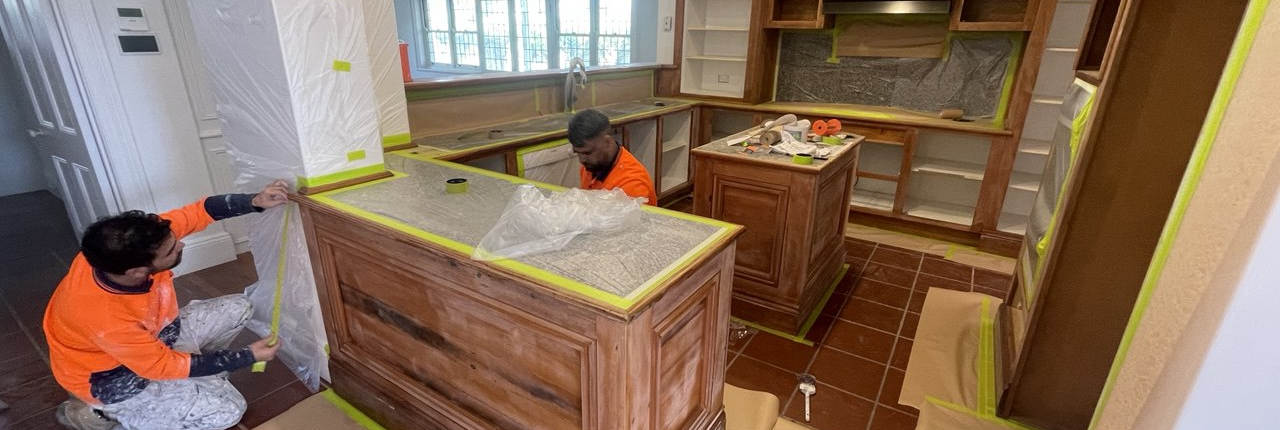
Once the surface is fully prepared, apply painter’s tape to areas that must remain paint-free, such as door frames, windows, trims, and fixtures. Cover nearby floors, plants, and pathways with drop cloths or plastic sheeting to protect them from drips and overspray.
Step 4: Painting the Surface
Now the painting process begins:
1. Cutting In
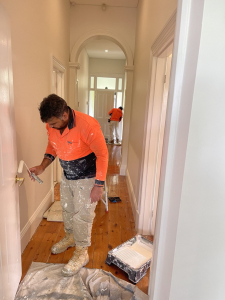
Use a brush to paint edges, corners, and detailed areas where rollers cannot reach. This ensures cleaner lines and precision around trims, windows, and mouldings.
2. Rolling the Walls
Use a roller for large, flat wall sections. Work in small areas, maintaining a wet edge to avoid visible roller marks or streaks.
3. Applying Multiple Coats
Depending on the paint type and the previous colour, two or more coats may be required. Always allow proper drying time between coats as recommended by the manufacturer.
Step 5: Finishing Touches
After the final coat has dried, remove the painter’s tape carefully at a 45-degree angle to achieve crisp lines. Inspect the surface for imperfections or missed spots and touch up where necessary. Clean all brushes, rollers, and tools immediately after use to prolong their lifespan.
Step 6: Cleanup and Maintenance
Clean the entire work area by removing drop cloths, cleaning spills, and safely disposing of any waste. Store leftover paint in properly sealed containers for future touch-ups. To maximise the longevity of your paint job, inspect the exterior periodically for signs of peeling, fading, or cracking and address issues early.
Conclusion
Painting a house involves a structured process of planning, preparation, application, and maintenance. When done correctly, it enhances your home’s appearance and provides long-lasting protection against the elements. Whether you hire professional painters in Adelaide or take on the project yourself, understanding these essential steps ensures a smooth, rewarding, and high-quality result.